Startup & Entrepreneurship
Why Most Startups Fail
Slidebean
3.5M views
1 min read
Stanford University
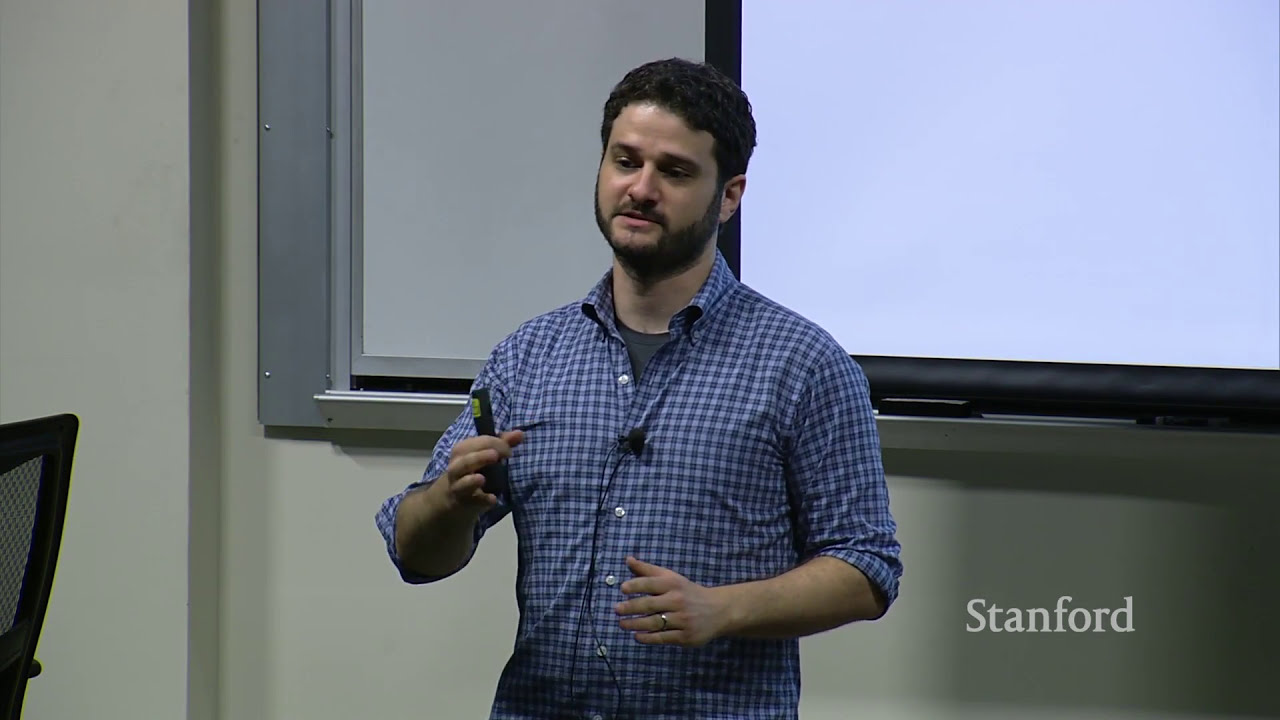
Peter Thiel's legendary lecture on building monopolies and avoiding competition. From the Stanford CS183B course that launched a generation of founders.
Personal insights by JK, COO
The best startups look like bad ideas at first. If everyone agrees your idea is great, it's probably too late — the market is already crowded.
This Stanford lecture is legendary for good reason. Thiel's contrarian framework for evaluating startup ideas is the most rigorous I've encountered. His question — 'What great company is nobody building?' — forces you to think beyond market research and into genuine insight. I apply this same thinking to franchise expansion: the best locations are the ones that look wrong to everyone else but right to us because we see something they don't.
Great companies have secrets — important truths that most people don't agree with
Start with a small market you can dominate, then expand — don't start big
Last mover advantage matters more than first mover advantage
The best founders have a definite view of the future, not a probabilistic one
First-time founders and anyone evaluating startup ideas. This lecture will either validate your conviction or save you from a mediocre idea — both outcomes are valuable.
Every week, JK selects one video that changed how he thinks about business. You get the video, the context, and the operator's perspective — delivered straight to your inbox.
One email per week. No spam. Unsubscribe anytime.