Curator's Pick
Economics & Finance
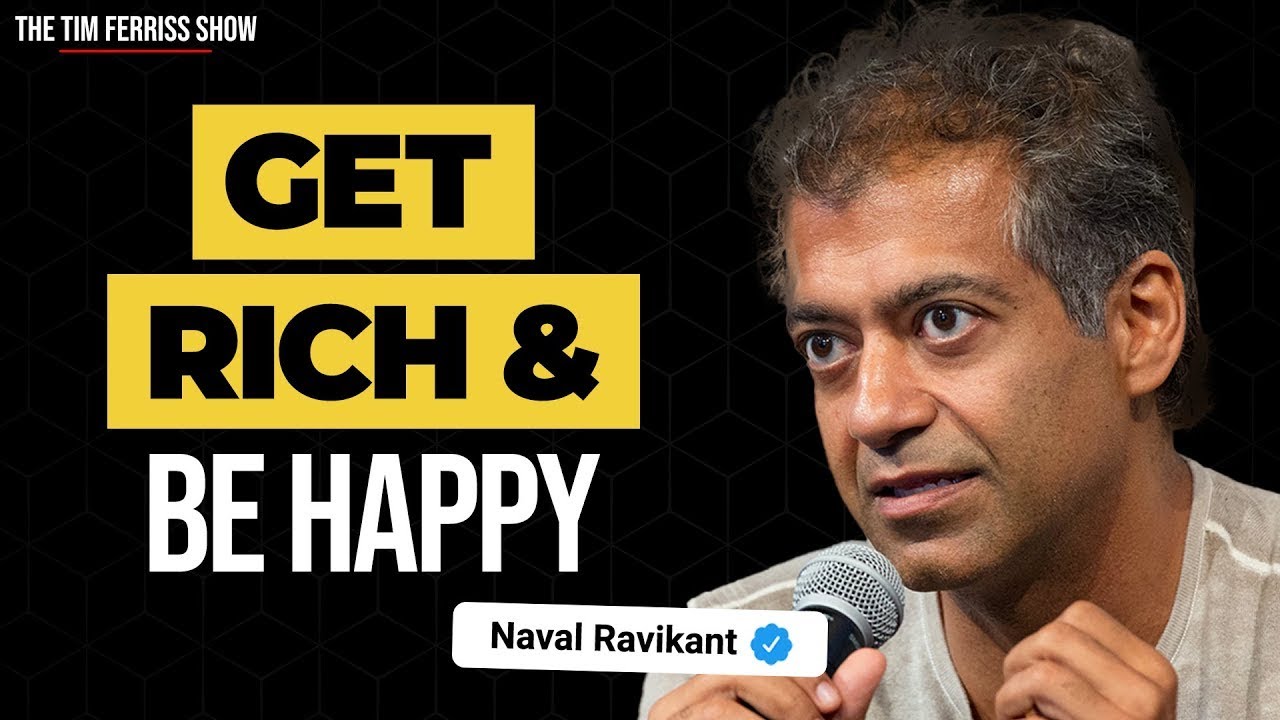
Wealth Without Labor: Naval Ravikant's Guide to Financial Freedom
Naval Ravikant
1 min read
Warren Buffett
Warren Buffett shares timeless investment principles. Practical wisdom on long-term thinking, value investing, and building wealth sustainably.
Personal insights by JK, COO
The best investment strategy is boringly simple: buy great businesses at fair prices and hold them forever. Patience and discipline beat intelligence and timing.
Buffett's investment philosophy is really a business philosophy. His emphasis on durable competitive advantages ('moats'), management quality, and long-term thinking applies directly to operating businesses, not just investing in them. When I evaluate franchise expansion opportunities, I use Buffett's framework: Does this market have a durable advantage? Is the unit economics defensible? Would I be comfortable holding this location for 20 years? If the answer to any of these is no, we pass.
Be fearful when others are greedy, and greedy when others are fearful — contrarian timing is everything
A great business at a fair price beats a fair business at a great price — quality compounds
The most important quality in an investor (and operator) is temperament, not intellect
Moats matter: sustainable competitive advantages are the only thing that protects long-term returns
Every business operator and investor. Buffett's wisdom is deceptively simple — the challenge is having the discipline to actually follow it when markets (and competitors) are doing the opposite.
How I Apply This at Scale
Buffett's investment philosophy is really an operating philosophy disguised as investment advice. His emphasis on durable competitive advantages — 'moats' — applies directly to how I evaluate every aspect of our business. The question isn't 'are we profitable today?' It's 'will we still be profitable in 10 years, and what protects us from competitors who want our margins?'
At Buster's, I've identified three moats that Buffett would recognize. First, our technology platform: the AI-powered operations system we've built over years represents millions of dollars of investment and millions of data points that no new entrant can replicate quickly. Second, our franchise partner network: 40+ operators with deep local market knowledge and community relationships create a distributed intelligence network that corporate-owned chains can't match. Third, our brand in specific markets: in the communities where we operate, Buster's isn't just a pizza chain — it's a local institution with emotional equity that takes years to build.
Buffett's 'be fearful when others are greedy' principle directly influenced our capital allocation during the pandemic. While competitors were closing locations and cutting investment, we accelerated our technology buildout and signed new franchise agreements at favorable terms. The operators who retreated during the downturn lost market position they'll never recover. We gained market share that compounds every year.
The systems thinking application is Buffett's concept of compound interest applied beyond finance. Relationships compound. Reputation compounds. Operational knowledge compounds. Technology advantages compound. Every year we operate, every location we add, every franchise partner we develop — it all compounds into an increasingly defensible position. The key is patience: Buffett's willingness to look wrong for years before being proven right is the temperament required for building durable businesses.
Enterprise Implementation Perspective
Buffett's moat framework has direct implications for AI strategy. The question every executive should ask about their AI investments is: 'Does this create a durable competitive advantage, or is it a commodity tool that every competitor will also have within 18 months?'
At Buster's, our AI moat is built on three layers that Buffett would recognize. First, proprietary data: our 50+ locations generate transaction, operational, and customer behavior data that no competitor can replicate without operating at similar scale. This data is the training fuel for our ML models, and it gets more valuable every day. Second, institutional knowledge encoded in algorithms: years of operational learning — what works in which markets, which menu items perform in which conditions, which staffing patterns optimize for which demand curves — is embedded in our AI systems. That institutional knowledge took years to accumulate and can't be purchased. Third, network effects: each new location makes every other location's AI systems smarter, creating a compounding advantage that widens with scale.
Buffett says the best businesses are those with high returns on capital that can reinvest at similar rates. Our AI systems fit this description perfectly: the marginal cost of deploying our existing models to a new location is near zero, but the marginal value (better predictions, lower waste, higher efficiency) is substantial. That's the kind of return-on-invested-capital dynamic that Buffett looks for — and it's why I think of our AI platform as our most valuable long-term asset.
Every week, JK selects one video that changed how he thinks about business. You get the video, the context, and the operator's perspective — delivered straight to your inbox.
One email per week. No spam. Unsubscribe anytime.